
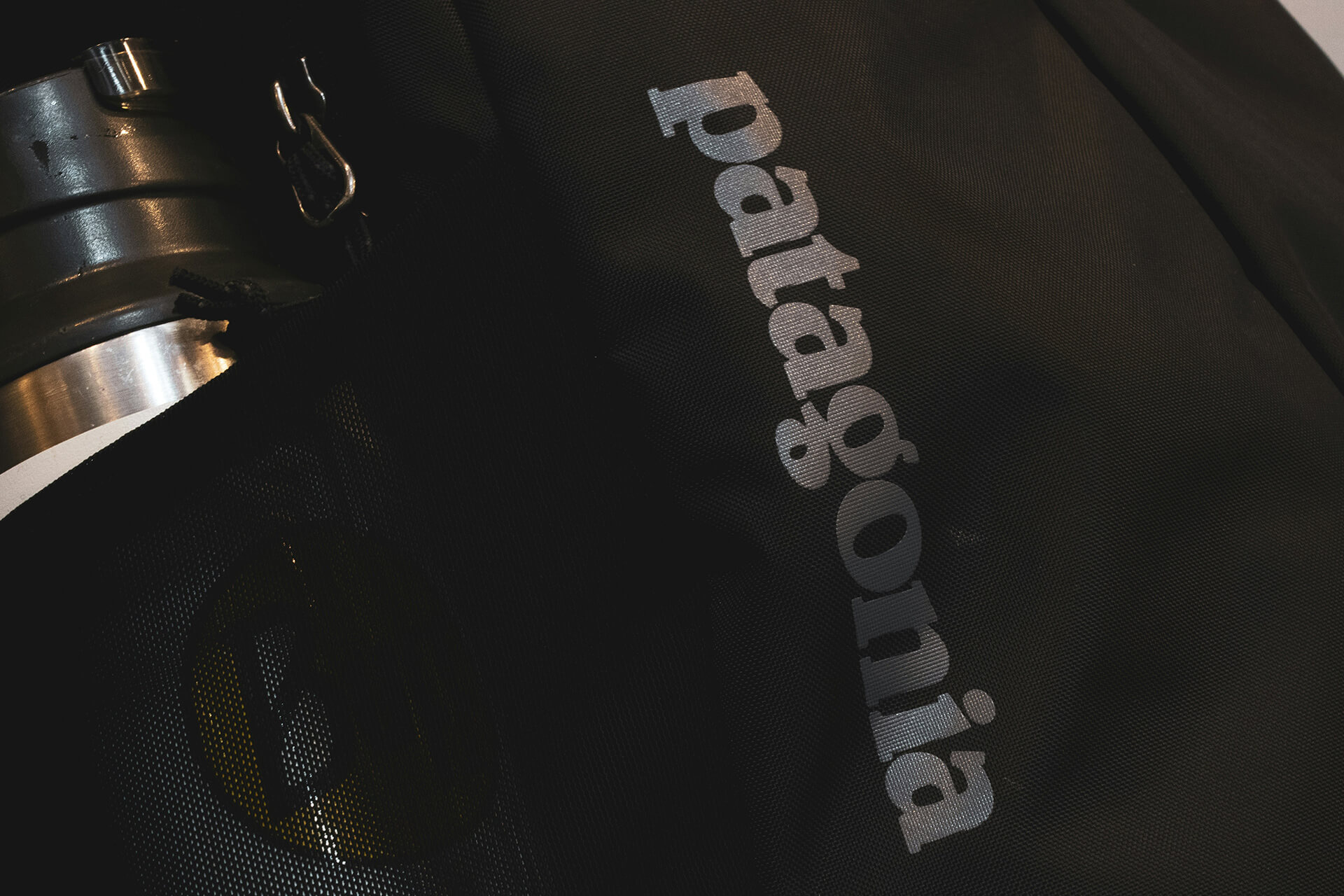
There are brand names, and then there are names that make you stop and think, “Wait, can they actually do that?” Pattie Gonia has always fallen squarely into the second category.
Pattie Gonia is the drag persona of environmentalist and photographer Wyn Wiley. The name is an unmistakable play on Patagonia, the outdoor apparel company whose brand has become almost as closely associated with environmental activism as it is with fleece jackets. For years, the similarity was part of the joke. In January 2026, however, Patagonia filed a federal lawsuit alleging trademark infringement after a long-running disagreement over Wiley’s use of the Pattie Gonia name, including its use on merchandise and in connection with environmental events.
Patagonia says it had tried for years to resolve its concerns privately and alleges that the expanding commercial use of the name could create confusion about whether Pattie Gonia is connected with or endorsed by Patagonia. Wiley disputes Patagonia’s characterization of their previous discussions and has publicly pushed back against the lawsuit. The disagreement has since spilled onto social media, where it has become as much a debate about Patagonia’s values and corporate power as it is about trademarks.
When the Joke Becomes a Brand
The case raises a fascinating question about parody and trademarks. Popular brands are referenced, mocked and reinterpreted constantly, particularly in fashion and pop culture. A clever reference to a famous brand does not automatically become a trademark problem simply because people recognize the joke.
Things become more complicated when the parody itself develops into a commercial identity. Pattie Gonia is no longer simply a funny Instagram handle. Wiley has built an audience, appeared at major events, developed partnerships and sold merchandise. Patagonia, meanwhile, sells apparel and has spent decades building its own environmental credentials. The closer those two worlds move together, the more interesting the trademark questions become.
That doesn’t tell us who should win the case. It does help explain why there is a case.
There’s Another Brand in the Room
The court will consider legal arguments, but Patagonia also has to contend with another audience: its customers.
Patagonia’s identity is deeply connected to environmentalism and progressive causes. Pattie Gonia has built a public profile around environmental activism and LGBTQ+ visibility. That has made the dispute particularly sensitive because many people watching it see two parties that might otherwise appear to be natural allies.
It is a useful reminder that trademark enforcement is rarely experienced by consumers as a purely legal exercise. People judge who is enforcing a trademark, who they are enforcing it against and whether the action feels consistent with the brand they thought they knew.
That is what makes Patagonia vs. Pattie Gonia such an interesting brand story. Trademarks live in the marketplace, but great brands live in culture. Sometimes protecting one can affect the other.
DISCLAIMER:
The Trademark Channel™ provides entertainment and educational content only. Nothing in this article constitutes legal advice.




One Response
Hi, this is a comment.
To get started with moderating, editing, and deleting comments, please visit the Comments screen in the dashboard.
Commenter avatars come from Gravatar.