Artificial intelligence can write a poem, summarize a textbook, imitate literary styles and answer questions about subjects ranging from medieval history to molecular biology. To learn how to do all of that, AI models need enormous amounts of information.
Publishers would now like to have a conversation about the reading list.
In July 2026, Hachette Book Group, Cengage Learning and Elsevier joined bestselling author Scott Turow in filing a proposed class action against Google. The plaintiffs allege that millions of copyrighted textual works were infringed in the development of Google’s Gemini large language models. The proposed class encompasses authors and publishers across fiction, nonfiction, children’s books, memoirs, poetry, educational materials and scholarly publishing. Google will have the opportunity to respond to those allegations as the litigation proceeds.
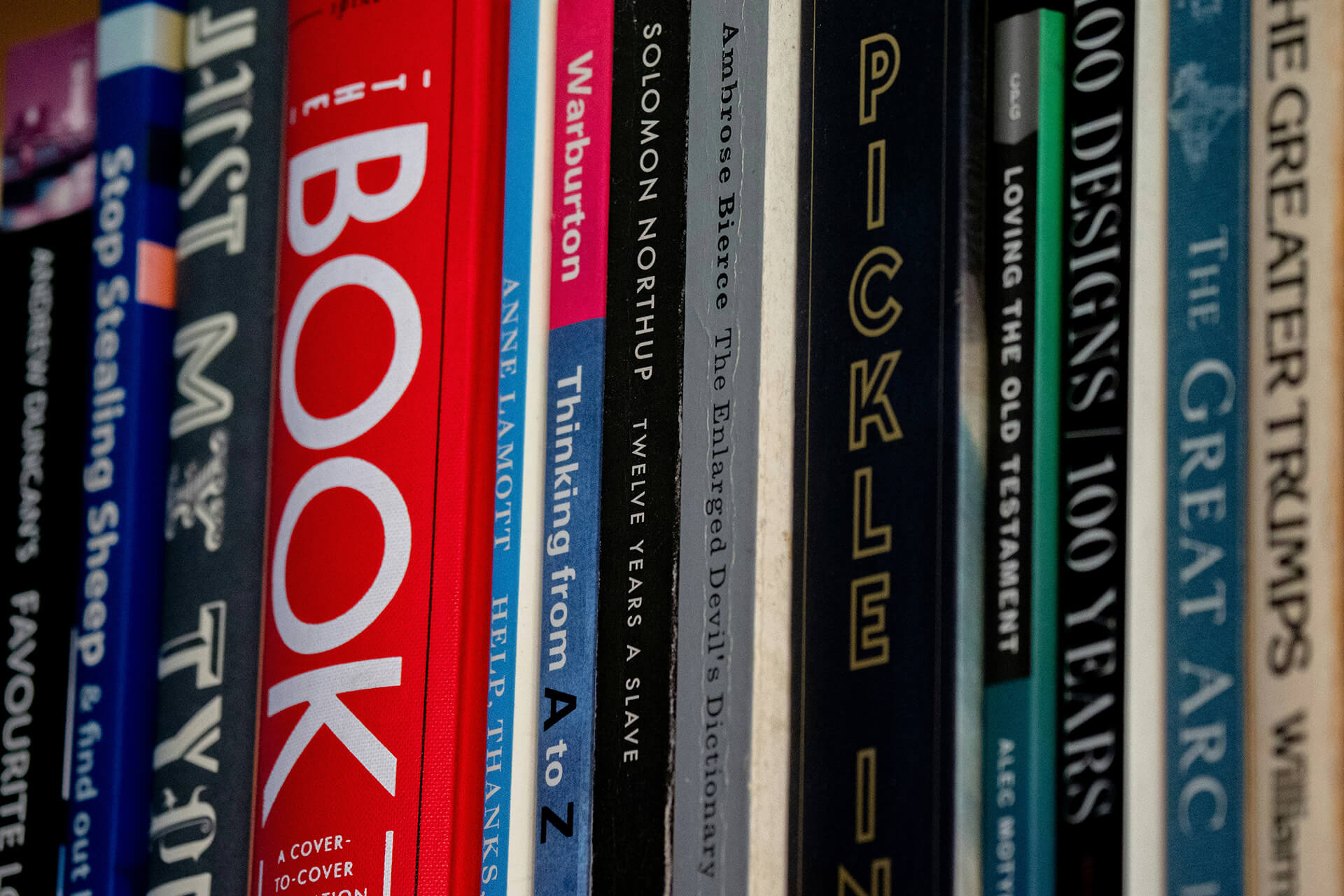
The case joins a much larger fight over generative AI and intellectual property, but publishing sits in a particularly interesting position. Books are not merely content. They are unusually rich sources of structured language, specialist knowledge, narrative technique and human expression, making them extremely useful material for machines learning how humans communicate.
The World’s Most Complicated Reading Assignment
Generative AI doesn’t learn in the same way a person reads a novel and remembers the plot. Large language models identify statistical relationships across vast amounts of training material and use those relationships when generating responses.
That technical distinction has created difficult copyright questions. Researchers are already examining whether and under what circumstances models can reproduce or reveal material from their training data and what that might mean under existing copyright law.
The legal questions are still being worked through, but the business tension is easy to understand. Authors create books. Publishers invest in editing, producing, marketing and distributing them. Technology companies are building products capable of generating increasingly sophisticated text. The argument over what material can be used to build those systems goes directly to the value of the original work.
Publishing Is Only the Beginning
What makes this dispute particularly important is that the underlying issue doesn’t stop at the library doors. Film studios own scripts and enormous audiovisual archives. Music companies control recordings and compositions. Newspapers produce journalism. Photographers create images. Television studios own decades of programming.
Across the creative economy, companies are asking variations of the same question: what rules should apply when human-created work becomes material used to develop machines that can generate new work?
Those questions are likely to become more complicated as AI improves. For centuries, publishing has been built around a relatively straightforward bargain. Someone creates something worth reading, someone publishes it and someone else pays to read it.
Artificial intelligence has introduced a rather disruptive new reader into that relationship. It can read extraordinarily quickly, it rarely buys the hardcover and everyone is still arguing about what happens next.
DISCLAIMER:
The Trademark Channel™ provides entertainment and educational content only. Nothing in this article constitutes legal advice.